
Oculoplasty Disease
Restoring Function. Preserving Appearance.
Understanding about Oculoplasty
Oculoplasty, or Oculoplastic surgery, is a specialized subspecialty of ophthalmology that deals with the health, structure, and function of the tissues surrounding the eye. This includes the eyelids, tear (lacrimal) system, orbit (the bony socket around the eye), and the surrounding part of the face. Unlike cosmetic surgery alone, oculoplasty addresses both functional and aesthetic issues to restore normal vision, comfort, and appearance.
TYPES OF OCULOPLASTY DISEASE
Ptosis (Drooping Eyelid)
Upper eyelid droops and may block vision.
Blocked Tear Duct
Causes excessive watering and infection.
Entropion
Eyelid turns inward, causing lashes to rub against the eye.
Eyelid Tumors
Benign or malignant growths on eyelids.
Ectropion
Eyelid turns outward, leading to dryness and irritation.
Orbital Inflammation or Tumors
Conditions affecting tissues around the eye.
Symptoms of Oculoplasty Disease
- Drooping eyelids
- Excessive tearing
- Eye irritation
- Swelling around the eye
- Visible eyelid growth
- Redness or discharge
- Difficulty closing eyes completely
- Cosmetic asymmetry
Causes of Oculoplasty Disease
- Aging
- Congenital defects
- Trauma or injury
- Infections
- Tumors
- Nerve weakness
- Previous surgeries
Precaution
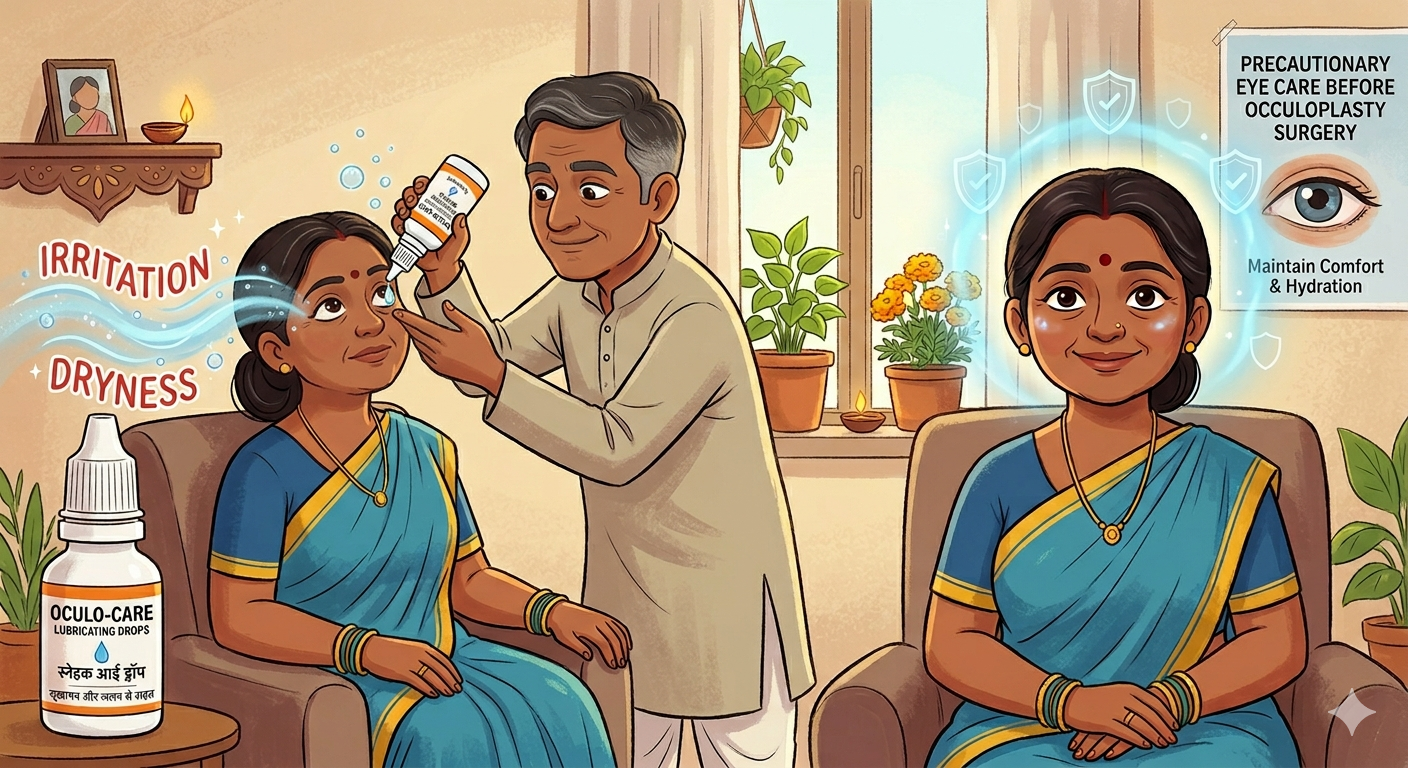
Lubricating Drops
Relieve irritation and dryness.
Lubricating Drops
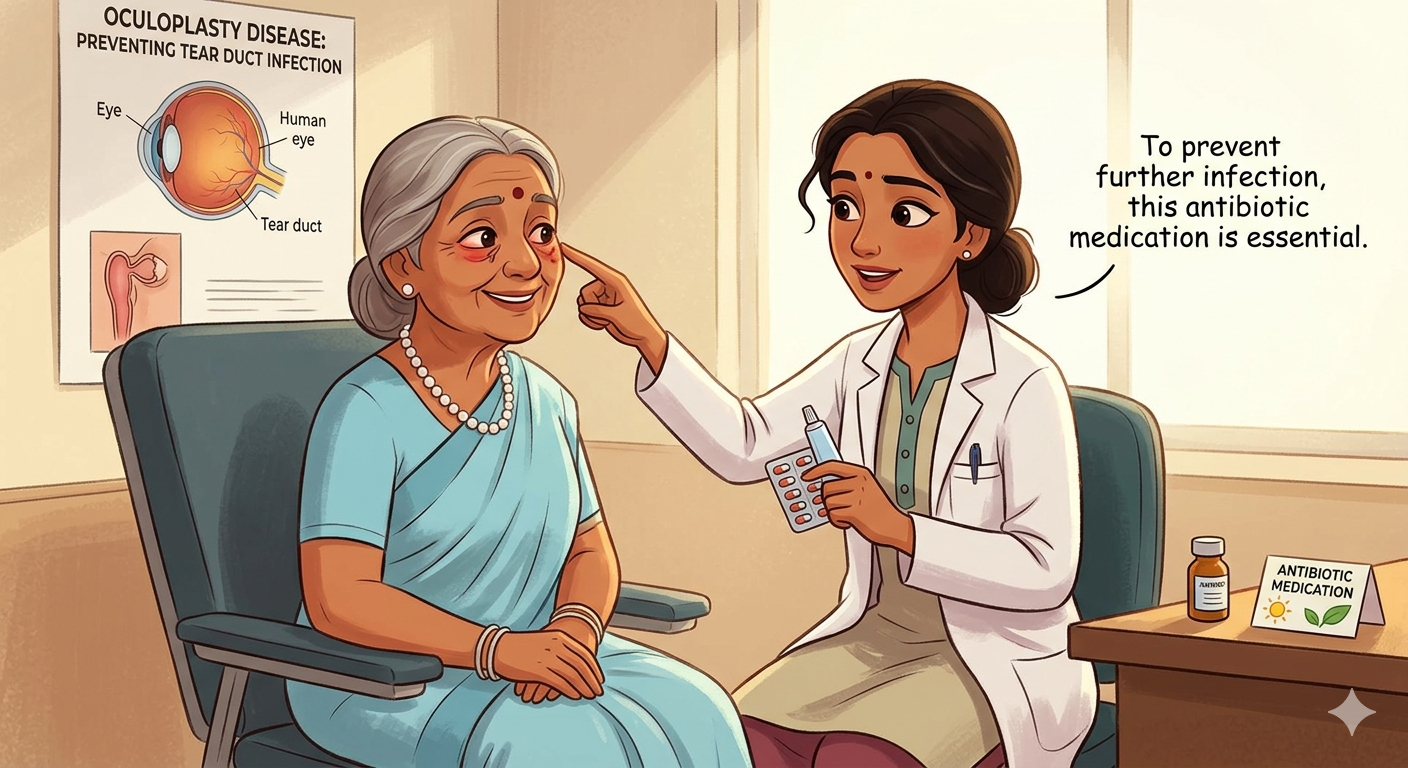
Antibiotic Medication
For tear duct infections.
Antibiotic Medication
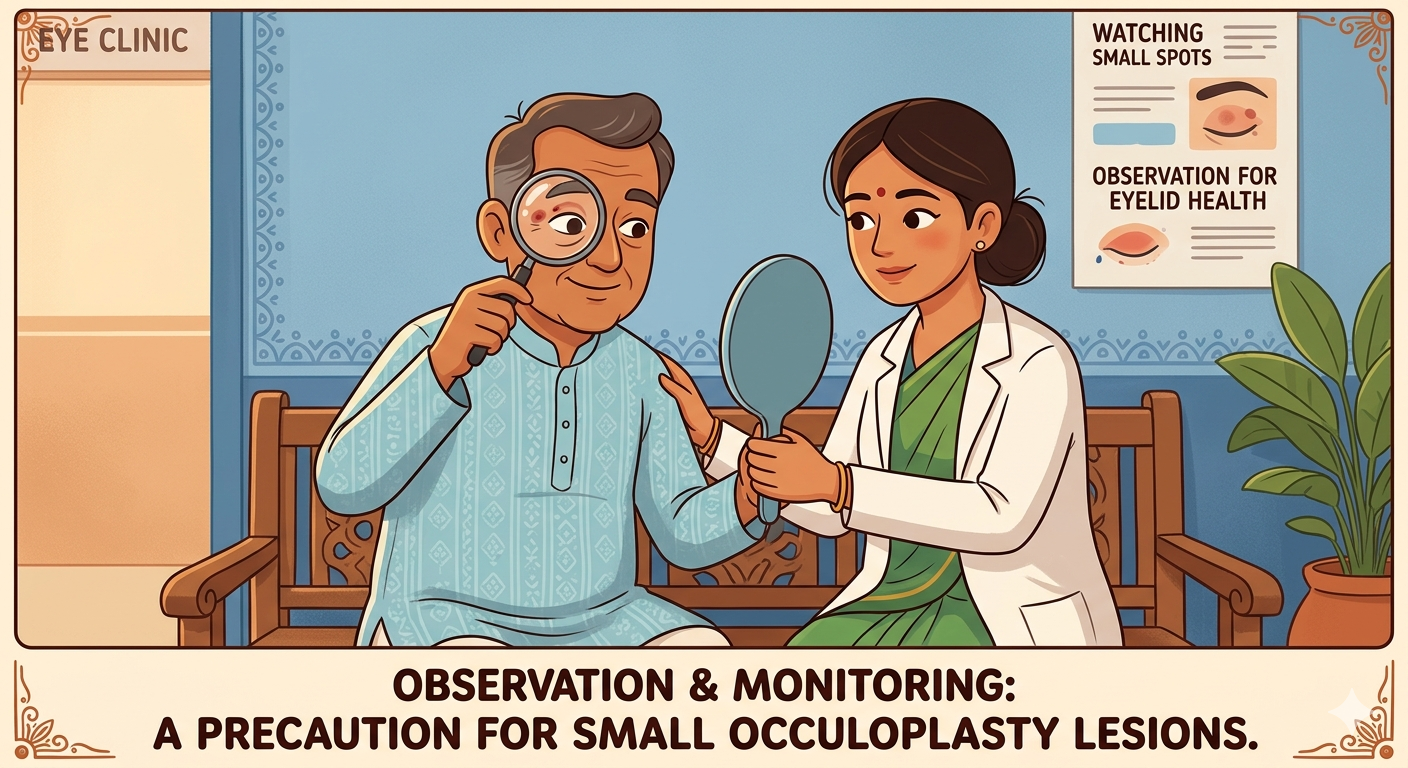
Observation & Monitoring
For small benign lesions.
Observation & Monitoring
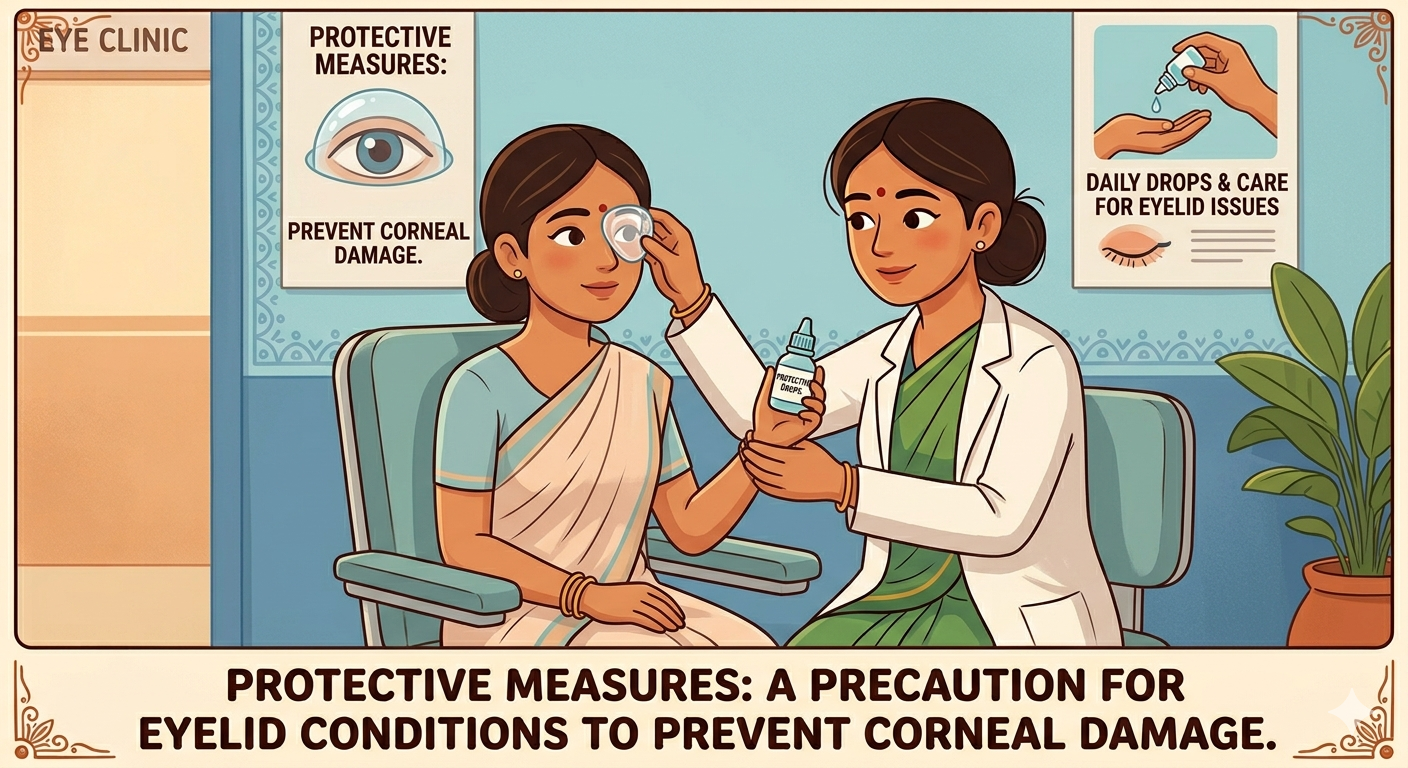
Protective Measures
Prevent corneal damage due to eyelid issues.
Protective Measures
Oculoplasty Treatment Overview
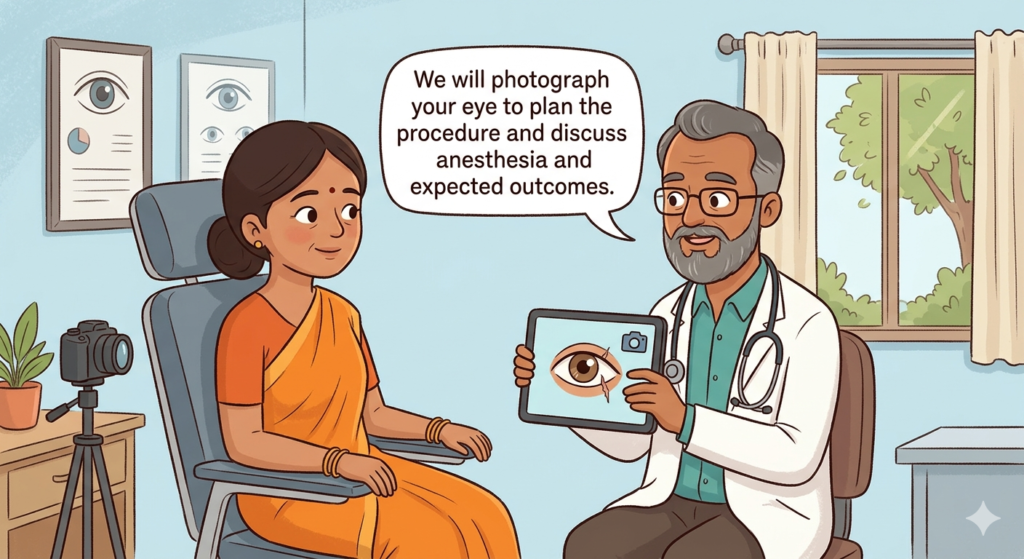
Before Surgery
- Oculoplastic surgeon performs a comprehensive examination.
- Photographs will be taken for medical records and surgical planning.
- The surgeon will explain the procedure, the type of anesthesia, and the expected outcomes.
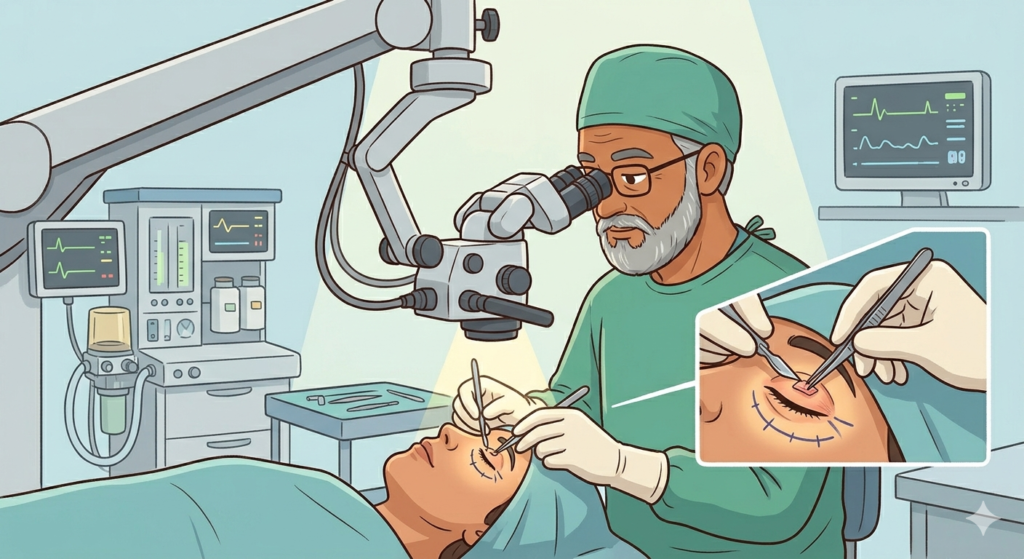
During Sugery
- The surgeon makes precise incisions to minimize visible scarring.
- For eyelid surgery, excess skin, fat, or muscle is carefully removed or repositioned.
- The surgery is performed with microscopic precision.
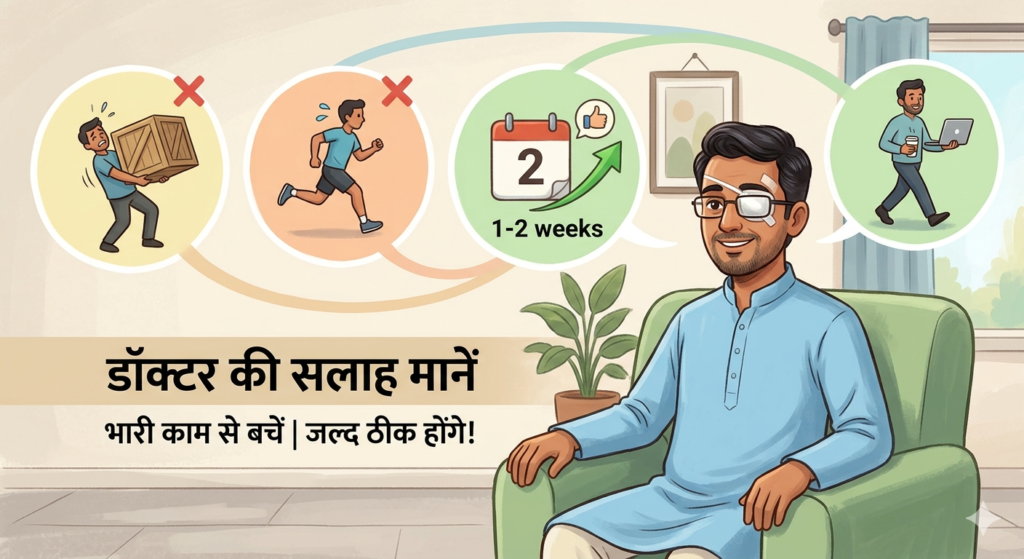
After Surgery
- You will be given specific instructions to follow after the surgery.
- You will need to avoid strenuous activities, bending, and heavy lifting for 1-2 weeks.
- Most patients return to normal activities within 1-2 weeks
Treatments of Oculoplasty
Blepharoplasty (Eyelid Surgery)
- It addresses both functional problems (improving vision blocked by excess skin) and aesthetic concerns (reducing puffy bags and wrinkles).
- The procedure differs for upper and lower lids. Upper blepharoplasty typically removes excess skin and sometimes muscle. Lower blepharoplasty often focuses on removing or repositioning protruding fat pads and tightening skin.
- Surgeons strategically place incisions within the natural creases of the upper eyelids and just below the lash line of the lower eyelids to ensure scars are well-concealed.
- The procedure is usually performed under local anesthesia with sedation, meaning you are awake but relaxed and the area is completely numb. General anesthesia is an option for more complex cases.
- Most patients experience bruising and swelling for 1-2 weeks.
Endoscopic Dacryocystorhinostomy (DCR) - Tear Duct Surgery
- This is the most significant advantage. The surgeon operates using an endoscope (a tiny camera) inserted through the nostril, so there are no cuts made on the face, eliminating any visible scarring.
- The primary goal is to permanently resolve symptoms of a blocked tear duct, which include constant tearing, mucous discharge, and recurrent eye infections.
The surgeon creates a new channel between the lacrimal sac (where tears collect) and the inside of the nasal cavity, bypassing the blocked duct. Tears then drain directly into the nose.
- A thin, flexible tube with a camera and light is inserted into the nose, providing a high-definition, magnified view of the surgical site on a monitor, allowing for extreme precision.
- Compared to traditional external DCR, endoscopic DCR offers a quicker recovery time with less post-operative pain
Frequently Asked Questions
Oculoplasty is a super-specialized branch of eye care focused on the health, structure, and beauty of the tissues around your eyes—like your eyelids, tear ducts, and eye sockets. It treats conditions that affect both how your eyes work and how they look, from droopy eyelids blocking vision to tear duct problems and eyelid cancers.]
1. Droopy Eyelids (Ptosis): When the upper eyelid sags down, often blocking vision.
2. Eyelid Malpositions: Eyelids turning inward (entropion) causing scratching, or turning outward (ectropion) causing dryness.
3. Excess Eyelid Skin (Dermatochalasis): Hooded eyelids that can obstruct upper vision.
4. Blocked Tear Ducts: Persistent watering or recurrent eye infections.
5. Eyelid Cysts or Tumors: Any abnormal growth, both benign and cancerous.
6. Eye Socket Problems: Bulging eyes (from thyroid disease) or fractures from injury.
7. Cosmetic Concerns: Wanting to rejuvenate the eye area by reducing wrinkles or bags.
No, not at all. While it includes cosmetic procedures like blepharoplasty to refresh your appearance, the majority of oculoplasty is functional and reconstructive. It is performed to restore normal vision (by lifting a droopy lid), protect the eye’s surface (by fixing an eyelid that won’t close), and treat serious conditions like skin cancer or thyroid eye disease.
1. Vision is Blocked: If your upper eyelid sags down and interferes with your reading, driving, or side vision.
2. Chronic Eye Irritation: If your eyes are constantly red, watery, or feel scratchy due to your eyelids rubbing against them.
3. Persistent Watery Eyes: If your eyes water constantly, even when you’re not emotional, and it interferes with daily life.
4. Noticeable Changes: If you see a new or changing lump, bump, or lesion on your eyelid.
5. After an Injury: If you’ve had trauma to the eye area or fractures around the eye socket.
6. Thyroid Eye Disease: If you have thyroid problems and notice bulging eyes, eyelid retraction, or double vision.
1. Older Adults: Aging is the primary cause of droopy lids, excess skin, and eyelid malpositions.
2. Individuals with Thyroid Disorders: Autoimmune thyroid disease (Graves’) significantly increases the risk of orbital and eyelid problems.
3. People with Significant Sun Exposure: Increases the risk of developing skin cancers on the delicate eyelid skin.
4. Those with a Family History: A family history of ptosis or certain eyelid tumors can increase risk.
5. Individuals with a History of Eye Trauma: Previous injuries can lead to late-onset problems like ptosis or tear duct obstruction.
6. People with Neurological Conditions: Conditions like Bell’s Palsy or stroke can lead to eyelid dysfunction.
Wear UV-Protective Sunglasses: This is the single most important step to protect the thin eyelid skin from sun damage and skin cancer.
Apply Sunscreen to the Eyelids: Use a mineral-based sunscreen (zinc oxide or titanium dioxide) which is less irritating to the eyes.
Don’t Rub Your Eyes: Chronic rubbing can stretch and weaken eyelid structures over time.
Manage Systemic Health: If you have thyroid disease, work closely with your endocrinologist to keep hormone levels stable.
Perform Regular Self-Exams: Look in the mirror for any new or changing spots, bumps, or asymmetry in your eyelids.
Schedule Regular Eye Exams: An eye doctor can spot early signs of eyelid or orbital problems during routine check-ups.
