
Pediatric Ophthalmology
Caring for Little Eyes, Shaping a Lifetime of Clear Vision
Understanding about Pediatric Ophthalmology
Pediatric Ophthalmology is a sub-specialty of eye care focused on diagnosing and treating vision problems, eye diseases, and conditions specific to children from birth through adolescence. Children’s eyes are not just smaller versions of adult eyes; they have unique developmental needs. Proper vision in childhood is critical for learning, social development, and overall safety. Early detection and treatment of eye conditions can prevent permanent vision loss and amblyopia (lazy eye).
Types of Pediatric Eye Conditions
Amblyopia (Lazy Eye)
Reduced vision in one eye due to abnormal visual development early in life. The brain favors the stronger eye, ignoring the weaker one.
Refractive Errors
Nearsightedness (myopia), farsightedness (hyperopia), and astigmatism that require glasses.
Pediatric Glaucoma
Rare but serious condition with increased eye pressure, often requiring surgery.
Strabismus (Crossed Eyes)
Misalignment of the eyes where one eye turns inward, outward, upward, or downward. Can be constant or intermittent.
Congenital Cataracts
Clouding of the lens present at birth, which can block light from reaching the retina.
Retinopathy of Prematurity (ROP)
Abnormal blood vessel growth in the retina of premature babies, which can lead to blindness if untreated.
Symptoms of Pediatric Eye Problems
- Squinting, closing one eye, or tilting the head to see
- Frequent eye rubbing or blinking
- Complaints of headaches, eye strain, or blurred vision
- Sitting too close to the TV or holding books/tablets very close
- One eye turning inward or outward (especially when tired)
- Poor tracking of objects or difficulty reading
- Excessive tearing or sensitivity to light
- A white or cloudy pupil (instead of black) in photos or in person
- Droopy eyelid that covers part of the pupil
- Bumping into objects or poor hand-eye coordination
Causes of Pediatric Eye Conditions
- Pediatric eye problems arise from various causes, often different from adult eye disease:
- Genetics: Family history of strabismus, amblyopia, high refractive errors, or congenital cataracts.
- Prematurity: Being born before 30 weeks or with very low birth weight increases risk for ROP, strabismus, and refractive errors.
- Maternal Infections During Pregnancy: Rubella, toxoplasmosis, cytomegalovirus (CMV), or herpes can cause congenital cataracts, glaucoma, or retinal damage.
- Birth Complications: Oxygen therapy in premature infants (causes ROP) or birth trauma (causing eye muscle or nerve damage).
- Developmental Disorders: Children with Down syndrome, cerebral palsy, or neurofibromatosis have higher rates of eye problems.
- Head or Eye Trauma: Accidental injuries can lead to cataracts, strabismus, or retinal damage.
- Unknown Causes: Many cases, especially intermittent strabismus or simple refractive errors, have no identifiable cause.
Precautions for Parents

Schedule First Eye Exam
First exam at 6 months, again at 3 years, and before starting school.
Schedule First Eye Exam

Monitor Screen Time
Use the 20-20-20 rule: every 20 minutes, look 20 feet away for 20 seconds.
Monitor Screen Time

Encourage Outdoor Play
Outdoor time reduces the risk of developing myopia (nearsightedness).
Encourage Outdoor Play

Protective Eyewear
Ensure children wear polycarbonate safety glasses or goggles during sports.
Protective Eyewear

Healthy Nutrition
Provide foods rich in Vitamin A, lutein, and omega-3s for eye health.
Healthy Nutrition
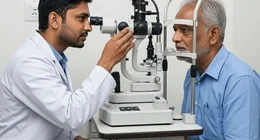
Watch for Developmental Milestones
Baby should be able to follow a toy with their eyes by 3 months of age.
Watch for Developmental Milestones
Pediatric Eye Disease Surgery Overview
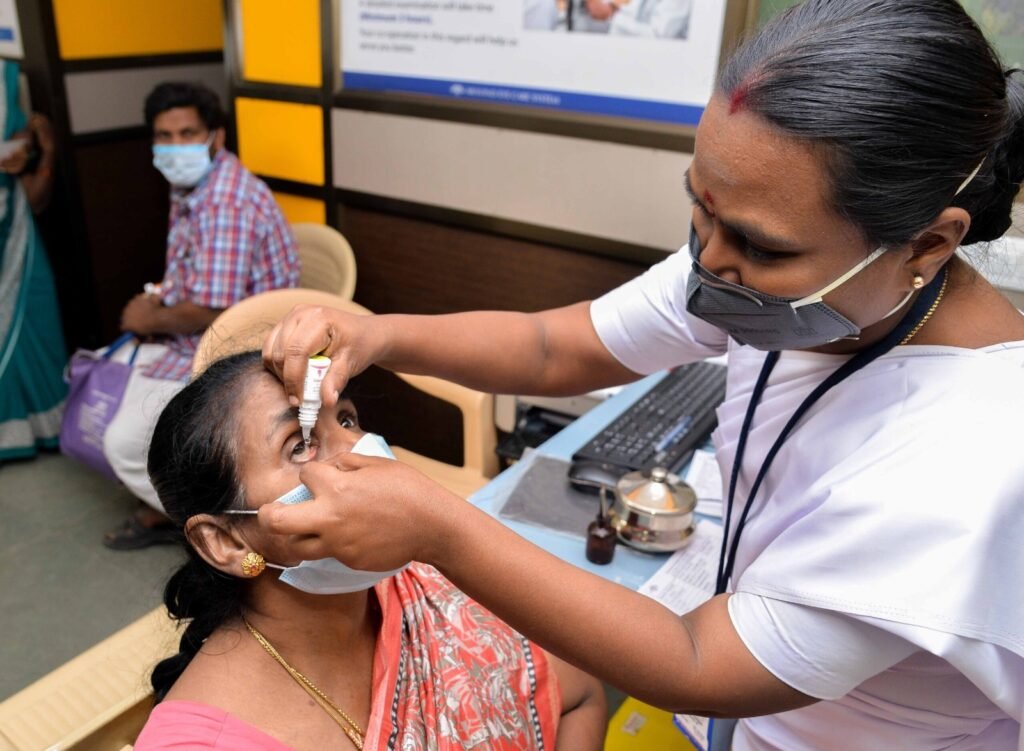
Before Surgery
- Detailed eye examination, often requiring dilation of the pupils.
- The exam may be done under anesthesia to ensure accurate measurements.
- Pre-operative blood work and a physical examination by a pediatrician.
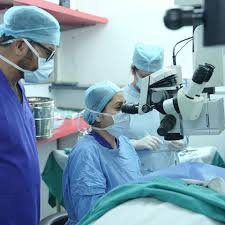
During Surgery
- General anesthesia is almost always used for children.
- An anesthesiologist monitors heart rate, breathing, and oxygen levels throughout.
- The procedure length varies from 30–90 minutes to 60–90 minutes.
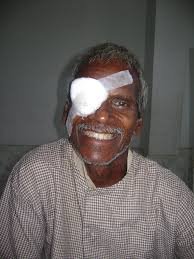
After Surgery
- Your child may be drowsy, fussy, or nauseous from anesthesia.
- The eye may be red, swollen, or have discharge.
- Swimming, rubbing the eye, and rough play must be avoided for 2–4 weeks.
Treatments of Cataract
Extra Capsular Cataract Extraction (ECCE)
- It is a conventional technique.
- ECCE requires an incision of 10-12mm.
- The doctor removes the clouded lens in one piece.
- Multiple stitches are required.
- Doctor implants a non-foldable lens.
Healing time is longer compared to modern cataract surgeries.
It may be more suitable for patients with weak eye structures.
The larger incision can sometimes lead to induced astigmatism.
Phacoemulsification
- It is the latest technology in Cataract surgery
- It is a micro-incisional stitch less operation.
- Here cataract is emulsified by ultra sound energy.
- It is further liquefied & sucked through the phacoemulsifier probe.
A foldable intra- ocular lens is then implanted in the eye permanently.
Vision restoration is possible in a short period of time.
It is least traumatic with early rehabilitation & recuperation.
Frequently Asked Questions
Cataract is a condition where the clear lens of eye becomes cloudy, causing blurred vision, glare & difficulty seeing clearly, especially while driving in the night. It is common with age & can be treated safely with advanced surgery to restore vision.
- Aging (Most Common) – Natural aging of the eye lens.
- Diabetes – High sugar levels affect the lens clarity.
- Eye Injury or Trauma
- Prolonged Use of Steroid Medications
- Excessive Sun Exposure (UV rays)
- Smoking & Alcohol Use
- Family History (Genetics)
- Past Eye Surgery or Inflammation
- Radiation Exposure
- Congenital Cataract – Present at birth due to infections or conditions during pregnancy.
Yes it is possible. Now a days, with the availability of latest phaco refractive surgery techniques, one can get rid of specs for distance as well as near. Along with removal of cataracts, implantation of Toric, Multifocal and EDOF IOLs is performed in these procedures.
- Vision Interferes with Daily Life
- Difficulty reading, driving (especially at night), or watching TV.
- Colors seem faded or yellowish.
- Glare or halos around lights.
- Glasses No Longer Help
- Even with updated glasses, vision is still cloudy or blurred.
- Other Eye Conditions Need Treatment
- Sometimes cataract surgery is needed before retina or glaucoma treatment.
- Doctor Advises Surgery
- Based on slit-lamp exam and vision tests, if the cataract is mature or affecting eye pressure.
- Older Adults (Age 50+)
- Diabetic Patients
- People with Excessive Sun Exposure
- Smokers & Alcohol Consumers
- Long-term Steroid Users
- Family History
- Previous Eye Injury or Surgery
- Babies Born with Congenital Cataracts
- Your Vision Is Affecting Daily Life. Blurred, cloudy, or double vision. Trouble reading, driving, or recognizing faces. Sensitivity to light or glare
- Your Eye Doctor Recommends It. Based on an eye exam and vision test. If cataract is advanced or affecting retina/glaucoma treatment
- You Are Medically Fit for Surgery. No uncontrolled diabetes, blood pressure, or active infections
- You’re Ready for Post-Surgery Care. You can take eye drops and attend follow-ups. A responsible person is available to assist after surgery.
Protect Your Eyes from UV Rays.
Wear sunglasses with UV protection while outdoors.
Use a hat or umbrella in strong sunlight.
Control Medical Conditions.
Keep diabetes, blood pressure, and cholesterol under control.
Follow your doctor’s treatment plan regularly.
Quit Smoking and Limit Alcohol.
Smoking and heavy drinking increase cataract risk.
Quitting slows down lens damage.
Eat Eye-Healthy Foods.
Include green leafy vegetables, carrots, fruits, and nuts.
Rich in Vitamin C, E, and antioxidants that protect the lens.
Avoid Unnecessary Steroid Use.
Use steroid eye drops or tablets only under medical supervision.
Go for Regular Eye Check-ups.
Early detection helps monitor cataract progression.
Especially important after age 40, or if you have diabetes.
