Cataract Management in Navi Mumbai

Restore Clear Vision with Expert Diagnosis & Surgery

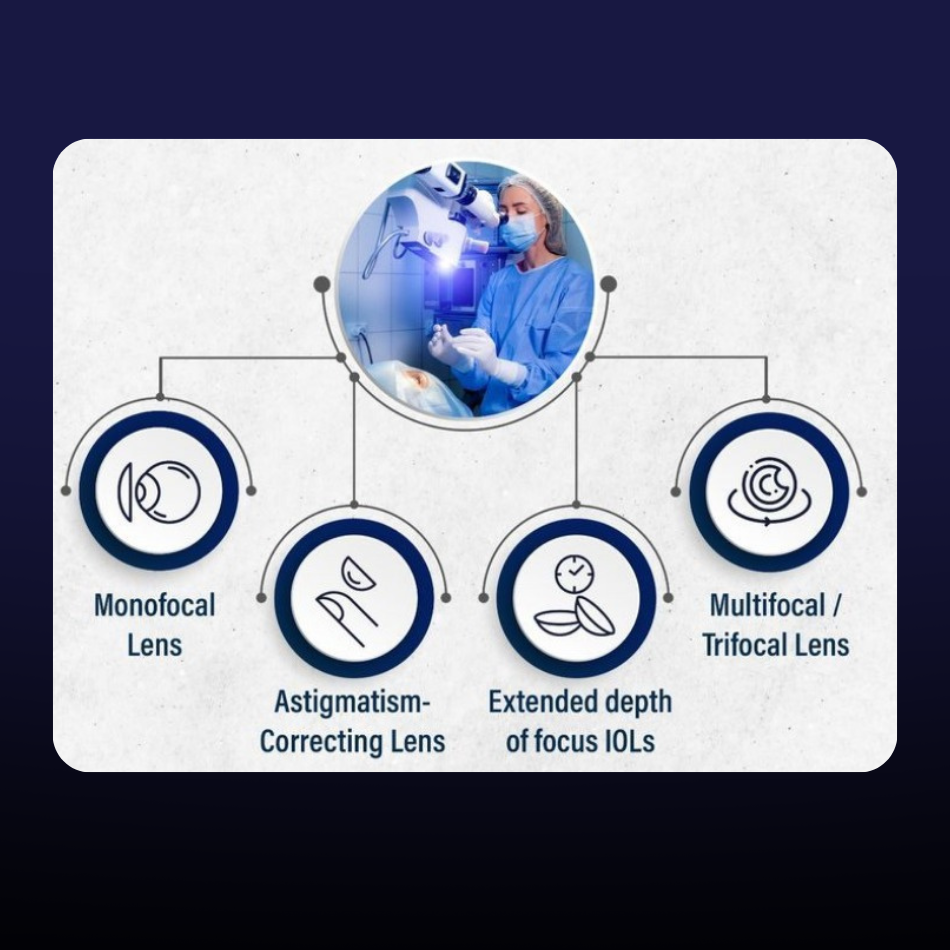
At Nair Super-Speciality Eye Hospital, we specialize in Cataract Management — covering everything from early diagnosis to stitchless surgery and advanced intraocular lenses (IOLs). With advanced technology and expert surgeons, our Cataract Management ensures sharp vision, comfort, and long-term eye health for patients in New Panvel, Kamothe, and Navi Mumbai.

Schedule Your Cataract Consultation

Cataract Management in Navi Mumbai

What is Cataract?

A cataract occurs when the natural lens of the eye becomes cloudy, affecting vision quality. Through our comprehensive Cataract Management, we provide lens evaluation, lifestyle guidance, and surgical solutions as needed.

We offer complete cataract management — from early-stage evaluation and lifestyle guidance to precision cataract surgery.

Cataract Symptoms

If you experience any of these signs, consult us for Cataract Management:

LOCATE US

Shop No 6, Nakshatra Bldg., Plot No 2 – 3, Sector – 20,
Near MNR Pre Primary School, Kamothe, Navi Mumbai – 410206

Cataract Surgery in New Panvel

Causes & Risk Factors of Cataracts

Cataracts can result from aging, diabetes, eye injuries, smoking, UV exposure, prolonged steroid use, or genetic factors, gradually clouding the eye’s natural lens.


Natural aging of the eye lens

Long-term exposure to sunlight (UV rays)

Diabetes and poor blood sugar control

Prolonged use of steroid medications

Eye injury or past surgery

Smoking and alcohol use

Poor nutrition or low antioxidants

Family history or genetics
Types of Cataracts

Under professional Cataract Management, we handle:


WhatsApp Image 2025-09-24 at 13.03.25

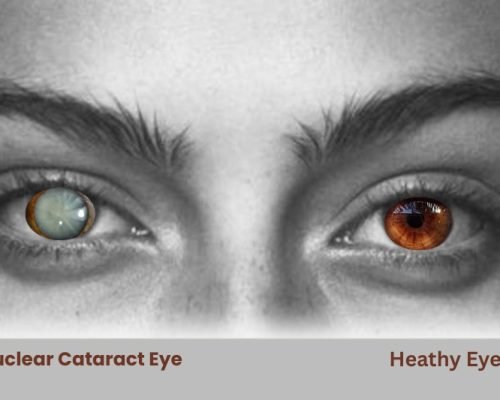
Nuclear Cataract

Develops in the center of the eye’s lens, usually due to aging. It causes gradual yellowing and hardening, leading to blurred central vision over time.

WhatsApp Image 2025-09-24 at 15.18.26

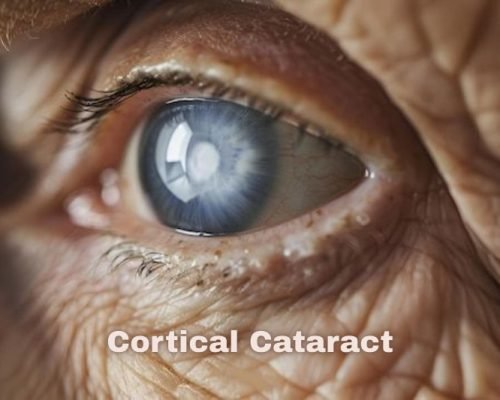
Cortical Cataract

Begins at the outer edges of the lens and grows inward like spokes. Often causes glare, halos, and difficulty seeing in bright or low light.

WhatsApp Image 2025-09-24 at 15.18.36

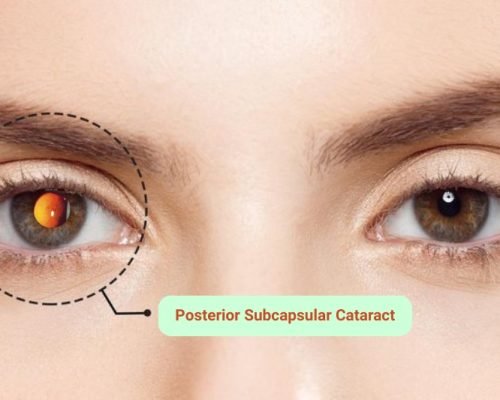
Posterior Subcapsular Cataract

Forms at the back of the lens and progresses rapidly. It affects near vision and causes glare in bright light or while reading.

Nuclear Cataract Eye

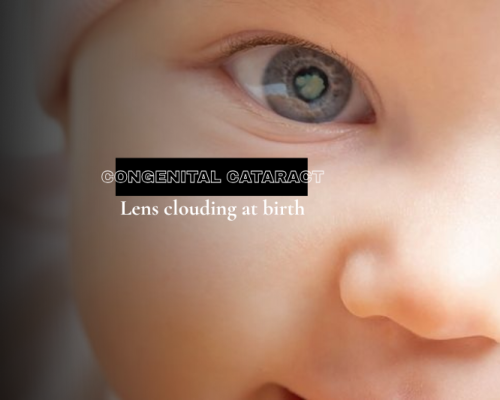
Congenital Cataract

Present at birth or early childhood, often due to genetic conditions, infections, or developmental issues. Can impair vision and requires early diagnosis and treatment.

Nuclear Cataract Eye (1)

Traumatic Cataract

Occurs after an eye injury—either blunt or penetrating trauma. May form immediately or years later, affecting lens clarity and overall vision quality.

Nuclear Cataract Eye (2)

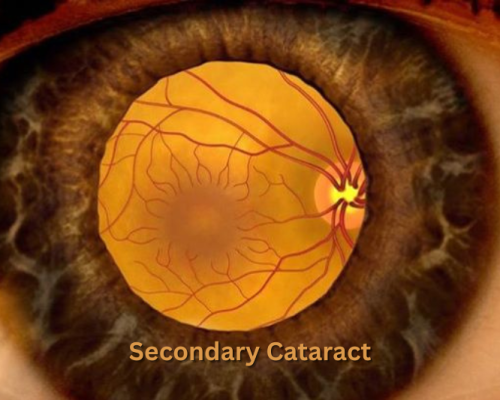
Secondary Cataract

Develops as a complication from other eye diseases, surgeries (like cataract surgery), or long-term steroid use. Often causes clouded vision similar to primary cataracts.

Non-Surgical Cataract Management

For early-stage cases, Cataract Management may not require surgery. We offer:

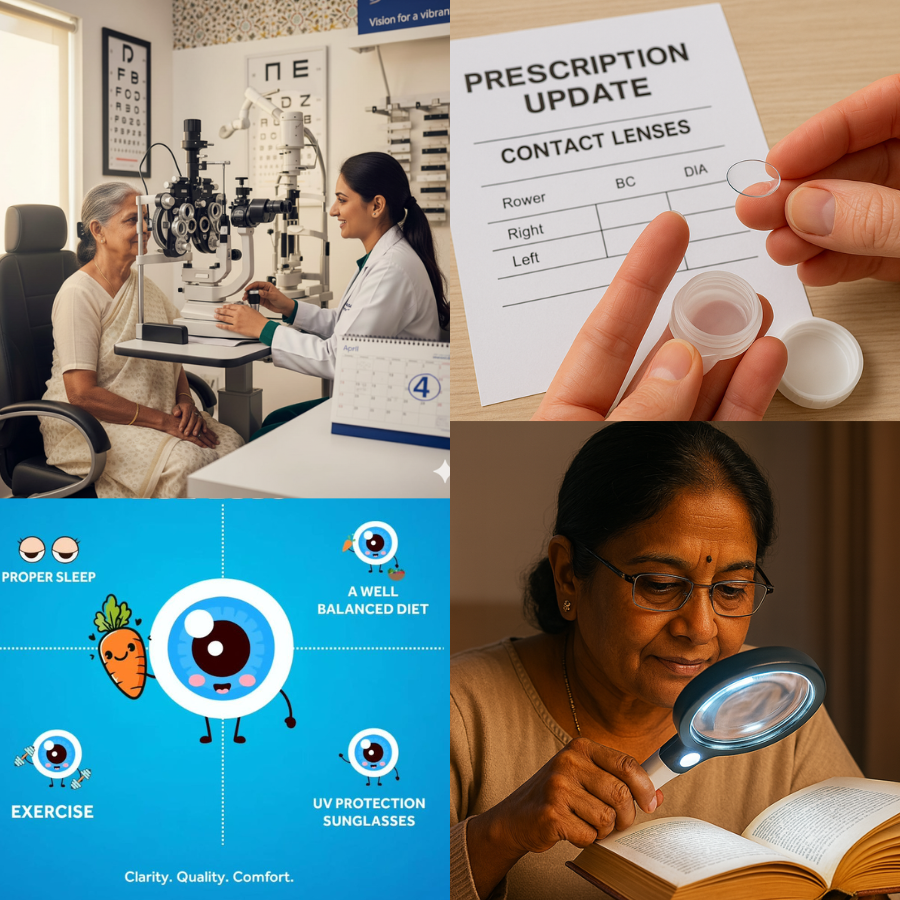
Regular monitoring of vision

Prescription updates for glasses or contact lenses

Brighter lighting and magnifying lenses for reading

Nutritional advice to support lens health with antioxidants

Lifestyle guidance on managing diabetes, quitting smoking, and protecting eyes from UV light
Post Cataract Surgery Care

Advanced Cataract Surgery

When vision affects daily life, surgery becomes part of effective Cataract Management. We offer:

Phacoemulsification (Stitchless Surgery)

Tiny incision (no stitches required)

Foldable IOL implanted

Faster healing and minimal discomfort

Ultrasound used to break and remove the cloudy lens

Painless procedure done with local anesthesia (eye drops)

Phacoemulsification (Stitchless Surgery)

Suitable for very hard or dense cataracts

Larger incision with lens removed in one piece

Requires stitches and has a longer recovery period
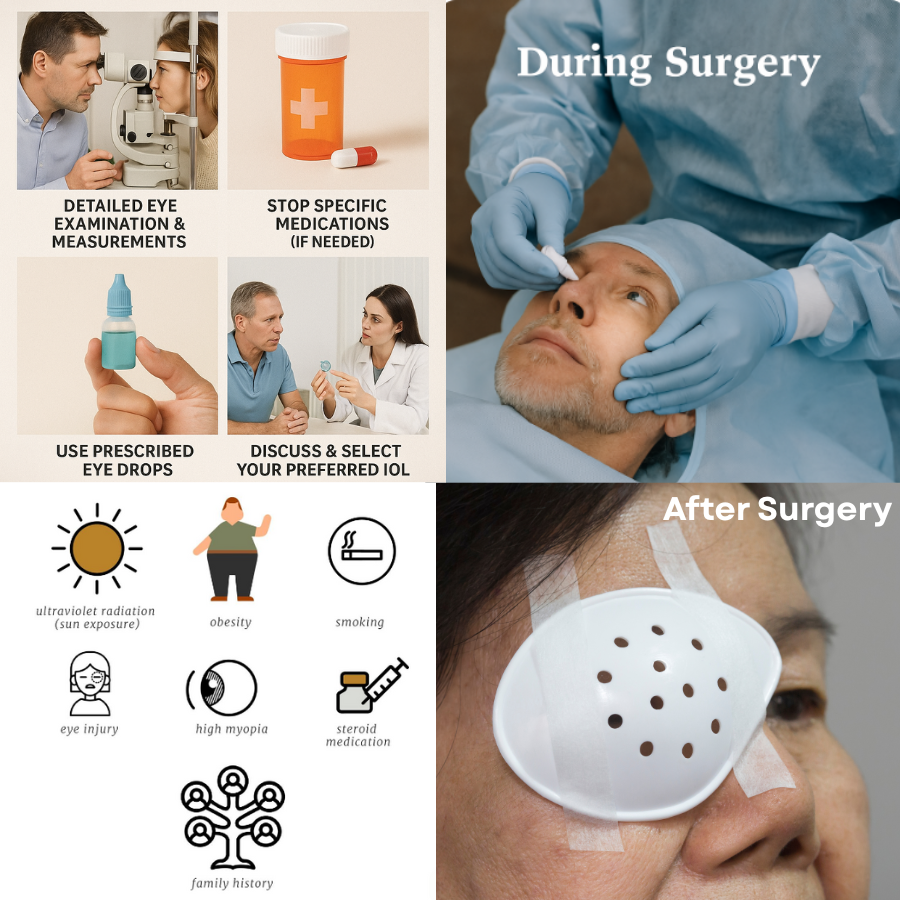
  • Detailed eye examination and measurements
  • Stop specific medications (if needed)
  • Use prescribed eye drops
  • Discuss and select your preferred IOL
  • Quick, painless procedure with eye drops (local anesthesia)
  • Lasts about 30–60 minutes
  • No hospital stay required
  • Eye shield for protection
  • Antibiotic and anti-inflammatory drops
  • Avoid eye rubbing, lifting heavy objects, and water exposure
  • Vision clears within a few days
  • Full recovery in 4–6 weeks
  • Faster recovery and clearer results
  • Less stress on the eye with early removal
  • Better surgical outcomes
  • Restores independence, confidence, and color clarity

Frequently Asked Questions

No. It’s done under local anesthesia using eye drops. You’ll feel only mild pressure, not pain.

No, but a “secondary cataract” (posterior capsule opacity) may develop and can be corrected easily with a laser.

Your new lens is permanent and lasts a lifetime in most cases.

 With advanced IOLs like multifocal or toric, many patients reduce or eliminate their dependence on glasses.

Book Your Cataract Consultation Today

Take the first step in safe and advanced Cataract Management.
Call us or visit our New Panvel or Kamothe clinic for expert care, modern technology, and compassionate treatment.

Scroll to Top