
Cataract Disease
Clear Vision Begins with Early Detection
Understanding about Cataract
Cataract is a common eye condition where the normally clear lens of the eye becomes cloudy, leading to a decrease in vision. This condition develops gradually over time and is often associated with aging, but it can also be caused by other factors such as injury, genetics, or diseases like diabetes
Types of Cataract
Nuclear Cataract
The center of the eye’s lens becomes cloudy, usually due to aging, making vision slowly become blurry.
Posterior Subcapsular Cataract
A cloudy spot forms at the back of the lens, making it hard to see in bright light or when reading.
Cortical Cataract
The outer part of the lens becomes cloudy in white lines or streaks, which can cause glare and difficulty seeing.
Congenital Cataract
A baby is born with a cloudy lens in the eye, which can affect vision early in life.
Symptoms of Cataract
- Blurred or cloudy vision
- Increased sensitivity to glare
- Difficulty seeing at night
- Fading or yellowing of colors
- Frequent change in eyeglass prescription
- Double vision in one eye
- Halos around lights
- Decreased contrast sensitivity
- Difficulty reading or driving
Causes of Cataract
- Aging
- Prolonged UV exposure
- Smoking
- Diabetes
- Steroid medications
- Genetic factors
- Trauma or eye injuries
- Excessive alcohol consumption
- Poor nutrition
Precautions

Update Your Prescription Regularly
Updated glasses can temporarily improve vision.
Update Your Prescription Regularly

Optimize Your Environment
Use brighter lights and magnifiers for reading.
Optimize Your Environment

Protect Your Eyes from UV Rays
UV-blocking sunglasses slow cataract progression.
Protect Your Eyes from UV Rays

Manage Your Overall Health
Manage diabetes and other health conditions.
Manage Your Overall Health

Stop Smoking
Quitting smoking reduces the risk of worsening.
Stop Smoking
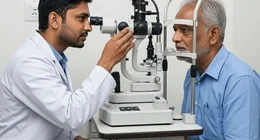
Monitor Your Vision Closely
Regular eye exams track progress and time surgery.
Monitor Your Vision Closely
Cataract Surgery Overview
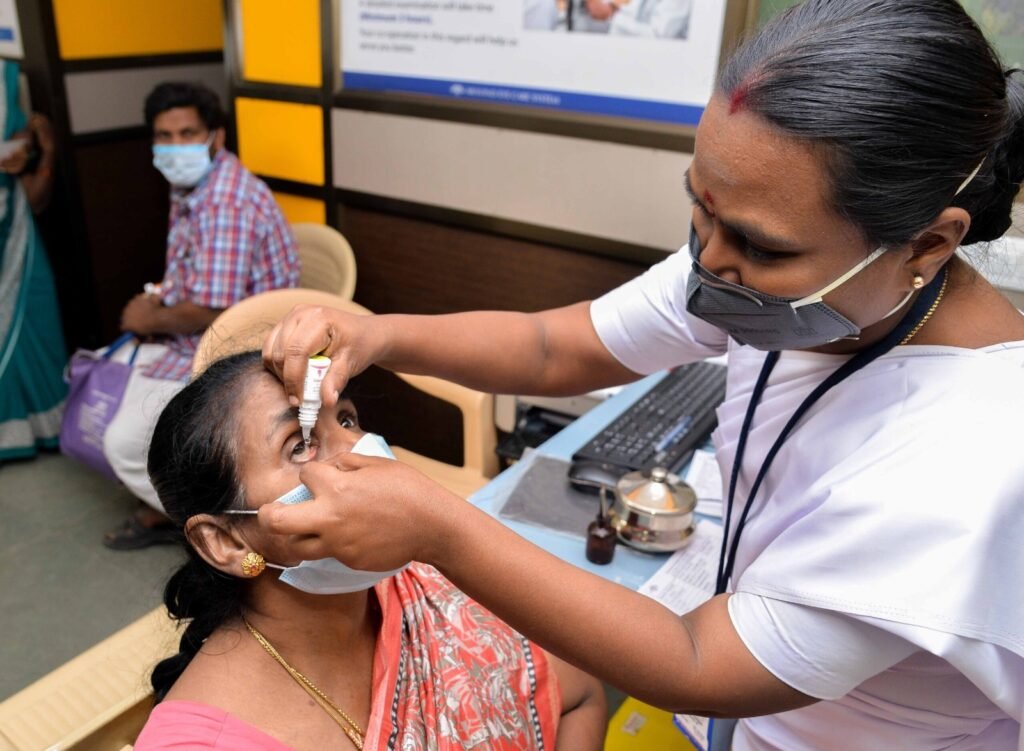
Before Surgery
- Complete eye examination
- Intraocular lens (IOL) selection
- Medication adjustments if required
- Use of prescribed eye drops
- Procedure lasts 30–60 minutes
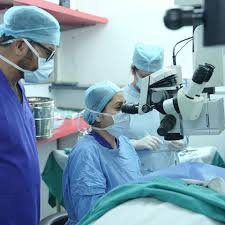
During Surgery
- Local anesthesia (no pain)
- Small incision made
- Cloudy lens broken using ultrasound
- Artificial IOL implanted
- Same-day discharge
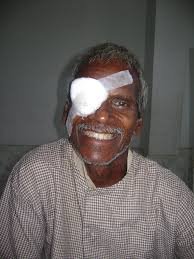
After Surgery
- Eye shield protection
- Use prescribed eye drops
- Vision improves within days
- Full recovery in 4–6 weeks
- Avoid heavy activity and water exposure
Treatments of Cataract
Extra Capsular Cataract Extraction (ECCE)
- It is a conventional technique.
- ECCE requires an incision of 10-12mm.
- The doctor removes the clouded lens in one piece.
- Multiple stitches are required.
- Doctor implants a non-foldable lens.
Healing time is longer compared to modern cataract surgeries.
It may be more suitable for patients with weak eye structures.
The larger incision can sometimes lead to induced astigmatism.
Phacoemulsification
- It is the latest technology in Cataract surgery
- It is a micro-incisional stitch less operation.
- Here cataract is emulsified by ultra sound energy.
- It is further liquefied & sucked through the phacoemulsifier probe.
A foldable intra- ocular lens is then implanted in the eye permanently.
Vision restoration is possible in a short period of time.
It is least traumatic with early rehabilitation & recuperation.
Frequently Asked Questions
Cataract is a condition where the clear lens of eye becomes cloudy, causing blurred vision, glare & difficulty seeing clearly, especially while driving in the night. It is common with age & can be treated safely with advanced surgery to restore vision.
- Aging (Most Common) – Natural aging of the eye lens.
- Diabetes – High sugar levels affect the lens clarity.
- Eye Injury or Trauma
- Prolonged Use of Steroid Medications
- Excessive Sun Exposure (UV rays)
- Smoking & Alcohol Use
- Family History (Genetics)
- Past Eye Surgery or Inflammation
- Radiation Exposure
- Congenital Cataract – Present at birth due to infections or conditions during pregnancy.
Yes it is possible. Now a days, with the availability of latest phaco refractive surgery techniques, one can get rid of specs for distance as well as near. Along with removal of cataracts, implantation of Toric, Multifocal and EDOF IOLs is performed in these procedures.
- Vision Interferes with Daily Life
- Difficulty reading, driving (especially at night), or watching TV.
- Colors seem faded or yellowish.
- Glare or halos around lights.
- Glasses No Longer Help
- Even with updated glasses, vision is still cloudy or blurred.
- Other Eye Conditions Need Treatment
- Sometimes cataract surgery is needed before retina or glaucoma treatment.
- Doctor Advises Surgery
- Based on slit-lamp exam and vision tests, if the cataract is mature or affecting eye pressure.
- Older Adults (Age 50+)
- Diabetic Patients
- People with Excessive Sun Exposure
- Smokers & Alcohol Consumers
- Long-term Steroid Users
- Family History
- Previous Eye Injury or Surgery
- Babies Born with Congenital Cataracts
- Your Vision Is Affecting Daily Life. Blurred, cloudy, or double vision. Trouble reading, driving, or recognizing faces. Sensitivity to light or glare
- Your Eye Doctor Recommends It. Based on an eye exam and vision test. If cataract is advanced or affecting retina/glaucoma treatment
- You Are Medically Fit for Surgery. No uncontrolled diabetes, blood pressure, or active infections
- You’re Ready for Post-Surgery Care. You can take eye drops and attend follow-ups. A responsible person is available to assist after surgery.
Protect Your Eyes from UV Rays.
Wear sunglasses with UV protection while outdoors.
Use a hat or umbrella in strong sunlight.
Control Medical Conditions.
Keep diabetes, blood pressure, and cholesterol under control.
Follow your doctor’s treatment plan regularly.
Quit Smoking and Limit Alcohol.
Smoking and heavy drinking increase cataract risk.
Quitting slows down lens damage.
Eat Eye-Healthy Foods.
Include green leafy vegetables, carrots, fruits, and nuts.
Rich in Vitamin C, E, and antioxidants that protect the lens.
Avoid Unnecessary Steroid Use.
Use steroid eye drops or tablets only under medical supervision.
Go for Regular Eye Check-ups.
Early detection helps monitor cataract progression.
Especially important after age 40, or if you have diabetes.
